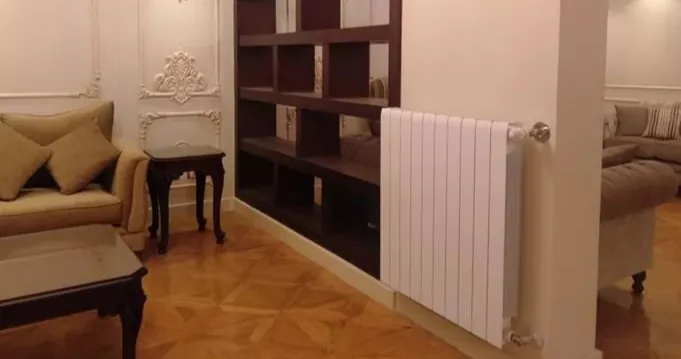
End-of-Summer Offers · Save up to 20% on Ultra Heat systems
Quiet hydronic room heating with radiator sizes and controls selected for the actual heat load.

Radiators Heating System

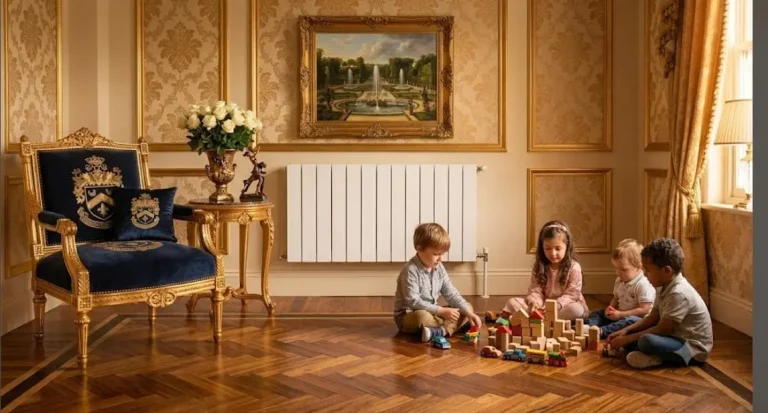
Hydronic radiator heating uses centrally heated water circulated through wall-mounted radiators to provide quiet, controllable space heating for individual rooms and zones.
01
Room-specific sizing
Radiator output is selected from the calculated heating requirement of each room.
02
Quiet operation
Hydronic radiators deliver heat without the continuous airflow associated with fan-based room heating.
03
Individual control
Thermostatic radiator valves or zone controls can adjust temperatures in different rooms.
04
Centralized system
Radiators connect to one hydronic network with a central heat source, pumps and controls.
About this service

How a Hydronic Radiator Heating System Works

A hydronic radiator system uses hot water from a central heating source and circulates it through a network of supply and return pipes to radiators installed in the rooms. Each radiator transfers heat to the surrounding space before the cooler water returns to the central source for reheating.

Good performance depends on calculating the heat loss of each room and selecting radiator output accordingly. Pipe sizing, pump duty, balancing valves, water temperature and control strategy should be coordinated as one system rather than choosing radiator sizes in isolation.

Ultra Heat can design the radiator network as part of a complete central heating system, including the central heat source, circulation, zoning and controls. The final layout considers available wall space, furniture, pipe routes and service access.
Key Highlights
✓

Hot water flows from the central heat source through supply pipes to each radiator.

✓

Radiator size and output are matched to the calculated heat loss of the room.

✓

Balancing ensures the required flow is distributed across near and distant radiators.

✓

Controls can regulate individual rooms or larger zones according to the project design.

i

Sizing comes before radiator selection

Radiator dimensions should not be chosen by room area alone. Insulation, glazing, orientation, ceiling height and design temperatures all affect the required output.

Get Your Free Quote

Tell us how we can help. Our team will review your request and contact you as soon as possible.

No obligation. Your information is used only to contact you about your request.

Key Features

Key advantages of a properly designed wall-mounted radiator system.

01

Fast room response

Radiators can respond relatively quickly when hot water begins circulating through the heating circuit.
02

Straightforward room control

Thermostatic valves and zoning controls make it practical to adjust temperatures according to room use.
03

Wide layout flexibility

Different radiator dimensions can be selected to suit available wall space and the required heat output.
04

Serviceable components

Radiators, valves and connections remain accessible for inspection, balancing and routine maintenance.
05

Works within one hydronic network

The system can share the same central heating plant and controls used for other compatible hydronic circuits.
Related Solutions

Related Central Heating Solutions

Explore the other central heating options available within the Ultra Heat service range and compare them with wall-mounted radiators.
Frequently Asked Questions

Key Questions Before Starting the Project

Common questions about hydronic radiator heating systems.

How is the correct radiator size selected?

The required output is calculated from the room heat loss and design temperatures, then matched to a radiator size and operating water temperature.

Can every radiator be controlled separately?

Thermostatic radiator valves can provide local adjustment, while zone controls can manage groups of rooms depending on the system design.

Do radiators require hydraulic balancing?

Yes. Balancing helps distribute the required water flow across the circuit so radiators close to the pump do not receive excessive flow at the expense of distant units.

Where should radiators be positioned?

Position depends on room layout, glazing, furniture and pipe routes. The aim is to provide effective heat distribution without blocking circulation around the radiator.

Can radiators and underfloor heating be used in the same property?

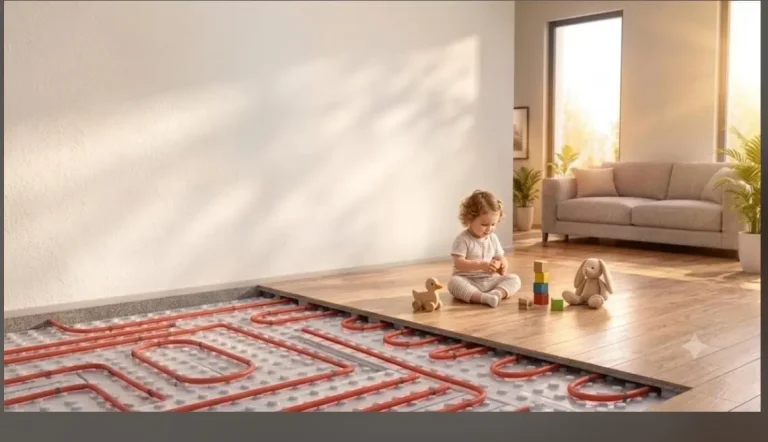
They can be combined in a hydronic project, but the circuits may need different water temperatures and controls, so the hydraulic design should account for both.

Need Help Choosing the Right System?

Ready to Choose the Right System for Your Property?

Send us your project details, and our team will review your requirements.

Ultra Heat
The company history market with continued technological research by an aim to furnish with warmth , create innovative solution that respond to requirements for best performance and appearance at the time.

Services

Follow us